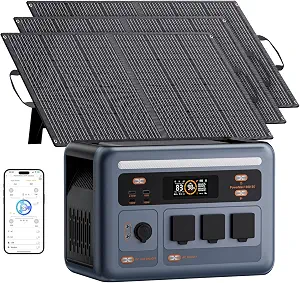
Ultimate Guide to Portable Power Stations and Power Banks for Phones and Homes
In an increasingly mobile world, the need for reliable power sources has never been more critical. Whether you're camping in the wilderness, experiencing a power outage at home, or simply needing to charge your devices on the go, portable power stations and power banks have emerged as essential tools. These devices offer a solution to keep your electronics charged and operational, providing peace of mind in various scenarios. This comprehensive review and buying guide will delve into the intricacies of portable power stations and power banks, highlighting their features, benefits, and what to consider before making a purchase.
With advancements in technology, today's portable power stations are more powerful, efficient, and user-friendly than ever. They come equipped with various ports to charge multiple devices simultaneously, including smartphones, laptops, and even small appliances. The versatility of these power solutions makes them ideal for outdoor enthusiasts, emergency preparedness, and everyday use at home.
In this guide, we will explore the different types of portable power solutions available, their specifications, and how they compare against each other. We will also provide insights into the best practices for selecting the right device for your needs, ensuring you make an informed decision that aligns with your lifestyle and requirements. From understanding battery capacity to evaluating charging speeds, we will cover everything you need to know about portable power stations and power banks.
As we navigate through this guide, you will gain valuable insights into the various features to look for, including inverter types, battery chemistry, and output options. We will also discuss the importance of safety features and portability, ensuring that you choose a device that not only meets your power needs but also is safe and convenient to use. Let's dive into the world of portable power solutions and uncover the best options available in the market today.
Understanding Portable Power Stations: What You Need to Know
Portable power stations are compact energy sources designed to provide power on the go. Unlike traditional generators, these devices run quietly and produce no emissions, making them suitable for indoor and outdoor use. They typically feature a variety of output ports, including AC outlets, USB ports, and DC outputs, allowing users to charge multiple devices simultaneously.
- Battery Capacity: Measured in watt-hours (Wh), this indicates how much energy the power station can store.
- Inverter Type: Pure sine wave inverters are preferred for sensitive electronics, while modified sine wave inverters are generally cheaper.
- Portability: Weight and size are crucial factors for outdoor use; look for models with built-in handles or wheels.
- Charging Options: Many power stations can be charged via solar panels, AC outlets, or car chargers.
- Output Options: Ensure the device has the necessary ports for your devices, including USB-C and standard AC outlets.
- Safety Features: Look for overcharge protection, short circuit protection, and temperature control.
When considering a portable power station, it's essential to assess your power needs. For instance, if you plan to use it for camping, consider how many devices you will charge and their power requirements. For emergency situations, a unit with a higher capacity may be necessary to keep essential appliances running during outages.
Power Banks: The Essential Companion for Mobile Devices
Power banks are smaller, more portable alternatives to power stations, primarily designed for charging smartphones, tablets, and other smaller electronics. They are ideal for users who need a quick power boost while on the move. Power banks come in various capacities, typically ranging from 5,000mAh to 30,000mAh, with higher capacities allowing for multiple charges of larger devices.
- Capacity: Measured in milliamp-hours (mAh), this indicates how much charge the power bank can hold.
- Output Power: Look for fast charging capabilities, usually indicated by higher output ratings (measured in watts).
- Port Type: Ensure compatibility with your devices; USB-C is becoming the standard for newer devices.
- Size and Weight: Consider how portable you need the power bank to be; lighter models are better for travel.
- Multiple Ports: Having multiple outputs allows you to charge several devices at once.
Power banks are particularly useful for travelers, students, and anyone who spends extended periods away from power sources. When selecting a power bank, consider your device's battery size and how often you will need to recharge it. A higher capacity power bank may be more beneficial for heavy users.
Comparing Technical Specifications: Key Features to Evaluate
| Feature | Portable Power Station | Power Bank |
|---|---|---|
| Battery Capacity | 500Wh - 3000Wh | 5,000mAh - 30,000mAh |
| Output Ports | AC, USB, DC | USB, USB-C |
| Weight | 10 - 50 lbs | 0.5 - 2 lbs |
| Charging Time | 3 - 8 hours | 2 - 6 hours |
| Inverter Type | Pure Sine Wave | N/A |
Understanding these specifications is crucial for making an informed decision. A higher battery capacity generally means longer usage times, while the type of inverter can affect compatibility with sensitive electronics. Additionally, consider the weight and charging time, especially if portability is a priority.
Real-World Workload Throughput: Capability Matrix
| Device | Power Requirement (W) | Estimated Runtime (hrs) | Use Case |
|---|---|---|---|
| Smartphone | 10W | 50+ hrs | Daily Charging |
| Laptop | 60W | 8 - 10 hrs | Work on the Go |
| Mini Fridge | 100W | 5 - 6 hrs | Camping |
| CPAP Machine | 40W | 10 - 12 hrs | Medical Use |
This capability matrix helps users understand how long they can expect their portable power solutions to last based on the devices they intend to use. The estimated runtime varies significantly based on the power requirements of each device, making it essential to match your power station or power bank with your specific usage needs.
Safety and Durability: Ensuring Reliable Performance
When investing in a portable power station or power bank, safety should be a top priority. Look for devices that include essential safety features such as:
- Overcharge Protection: Prevents the battery from being charged beyond its capacity.
- Short Circuit Protection: Safeguards against potential electrical faults.
- Temperature Control: Monitors the device's temperature to prevent overheating.
- Surge Protection: Protects connected devices from voltage spikes.
Durability is also crucial, especially for outdoor use. Many power stations and banks feature rugged designs that can withstand drops, spills, and harsh weather conditions. As noted by energy expert Dr. Lisa Harper, “Safety features are not just add-ons; they are essential for ensuring the longevity and reliability of your power solutions.” Choosing a device with a solid build and comprehensive safety features will provide peace of mind during use.
Charging Options: Versatility and Convenience
The charging options available for a portable power station or power bank can significantly impact its usability. Most modern devices offer multiple ways to recharge, including:
- AC Charging: Standard wall outlet charging for quick replenishment.
- Solar Charging: Ideal for outdoor enthusiasts; allows for renewable energy use.
- Car Charging: Convenient for road trips and travel.
Solar charging is particularly beneficial for those who spend extended periods outdoors, as it enables continuous power generation. However, it's essential to ensure that the solar panels used are compatible with your power station. As noted by outdoor technology specialist Mark Jensen, “The ability to harness solar energy can extend your power supply indefinitely, making it a game-changer for camping and remote work.”
Brand Comparison: Leading Models in the Market
When selecting a portable power station or power bank, it’s helpful to compare leading brands and their offerings. Below is a comparison of some of the top models currently available:
| Brand | Model | Battery Capacity (Wh) | Output Ports | Weight (lbs) |
|---|---|---|---|---|
| Jackery | Explorer 1000 | 1002Wh | 3 AC, 2 USB-A, 1 USB-C | 22 |
| Goal Zero | Yeti 1000 | 1045Wh | 2 AC, 2 USB-A, 1 USB-C | 40 |
| RAVPower | Power Bank 26800 | N/A | 3 USB-A, 1 USB-C | 1.5 |
| Anker | PowerCore 26800 | N/A | 3 USB-A | 1.2 |
Each brand offers unique features, and the choice will depend on your specific needs, such as capacity, portability, and output options. Evaluating these models helps ensure you select a device that aligns with your power requirements and lifestyle.
Expert Recommendations: Choosing the Right Device for Your Needs
When it comes to selecting the right portable power station or power bank, consider the following expert recommendations:
- Assess Your Power Needs: Determine the devices you plan to charge and their power requirements.
- Prioritize Safety Features: Opt for models with comprehensive safety protections to ensure reliable use.
- Look for Versatile Charging Options: Choose devices that offer multiple charging methods for convenience.
- Consider Portability: Ensure the weight and size are manageable for your intended use.
By following these recommendations, you can make a well-informed decision that meets your specific power needs, whether for outdoor adventures, emergency preparedness, or everyday use.
Conclusion: The Final Verdict on Portable Power Solutions
In conclusion, portable power stations and power banks are invaluable tools for anyone seeking reliable power on the go. They offer a range of features and specifications, catering to various needs from casual use to serious outdoor adventures. The strengths of these devices lie in their versatility, safety features, and convenience. However, it's essential to understand their limits, such as capacity and runtime, to ensure they meet your expectations.
Ultimately, the ideal use case for these devices varies widely among users. For outdoor enthusiasts, a robust portable power station with solar charging capabilities is ideal. For everyday users, a compact power bank may suffice. By evaluating your specific needs and considering the recommendations outlined in this guide, you can confidently choose the right portable power solution that enhances your lifestyle and keeps your devices powered, no matter where you are.
As an Amazon Associate I earn from qualifying purchases.