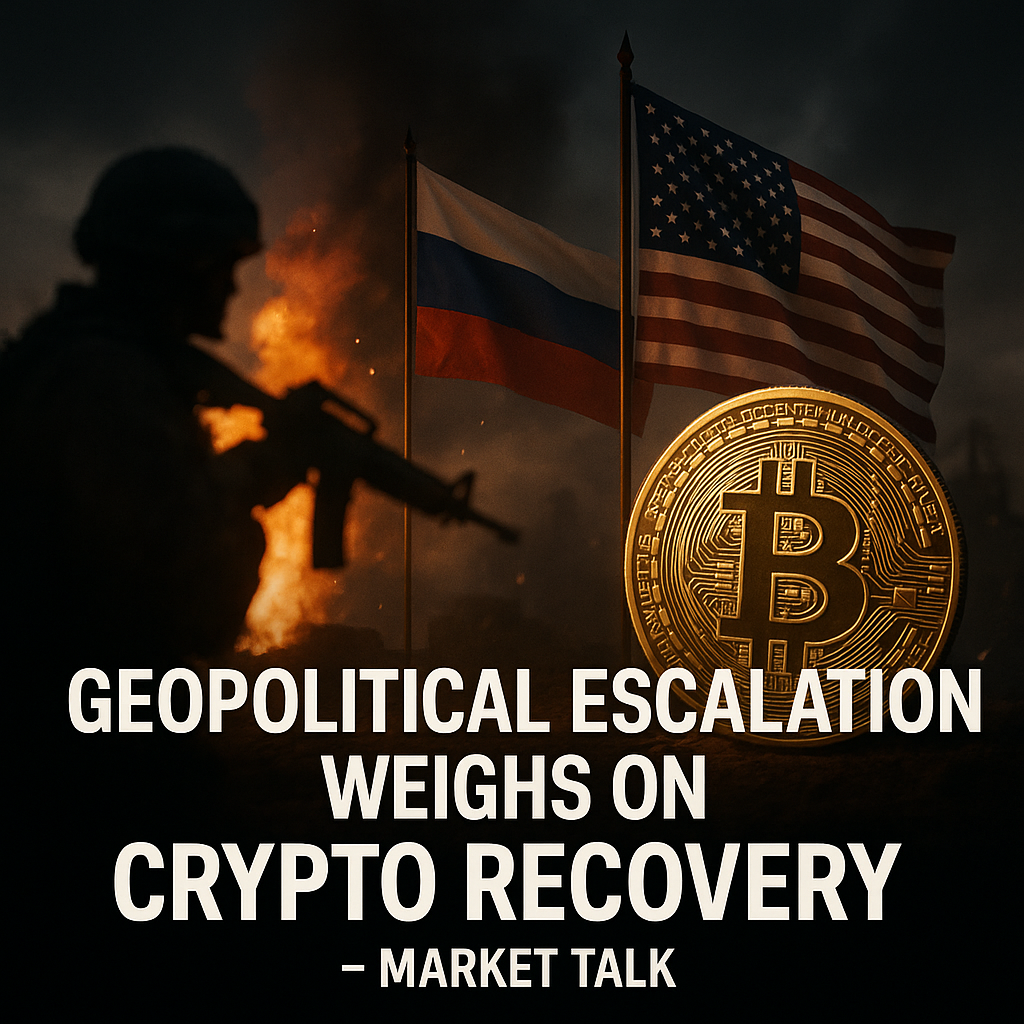
Geopolitical Tensions Impacting Cryptocurrency Recovery: An In-Depth Analysis
The cryptocurrency market is facing renewed challenges as geopolitical tensions escalate, casting a shadow over recovery efforts. Analysts note that these developments are influencing trader sentiment and impacting institutional investment strategies. As the market grapples with uncertainty, understanding the implications of these geopolitical factors is crucial for stakeholders.
Understanding the Importance of Geopolitical Factors in Crypto Markets
The intertwining of geopolitical events and cryptocurrency markets has been increasingly evident in recent months. Factors such as international conflicts, trade disputes, and regulatory changes can significantly sway market dynamics. As cryptocurrencies operate in a global framework, disruptions in geopolitical stability can lead to heightened volatility and uncertainty.
Recent tensions, particularly involving major economies, have raised concerns about economic sanctions, trade restrictions, and their potential effects on digital assets. Analysts emphasize that the crypto market is not immune to these external pressures, which can alter investor behavior and market sentiment. Understanding these dynamics is essential for both traders and institutional investors seeking to navigate the complexities of the current landscape.
Analyzing Current Market Data and Trends
Recent data from reputable sources such as Glassnode and CoinMetrics reveal significant trends in the cryptocurrency market. Price levels for major cryptocurrencies have shown fluctuations, with Bitcoin and Ethereum experiencing notable volatility in response to geopolitical news. The trading volume has also seen shifts, reflecting changing investor confidence and market participation.
On-chain metrics indicate a divergence in behavior among different investor cohorts. While some long-term holders remain steadfast in their positions, short-term traders are exhibiting increased activity, likely influenced by the rapid changes in market sentiment. This behavior underscores the necessity for investors to remain vigilant and informed about ongoing geopolitical developments that could affect market conditions.
Insights from Market Analysts on Current Sentiments
Market analysts are closely monitoring the evolving situation, providing insights into how geopolitical events are shaping investor behavior. Many experts suggest that the current climate is fostering a sense of caution among traders, as uncertainty breeds hesitation in making significant investment decisions. This sentiment is reflected in the cautious approach taken by institutional investors, who are weighing the risks associated with increased geopolitical instability.
Furthermore, analysts highlight the importance of on-chain data in understanding market dynamics. By examining transaction volumes and wallet activity, they can gauge the mood of the market and identify potential trends. This analytical approach allows stakeholders to make more informed decisions in a landscape characterized by rapid changes and unpredictability.
How Traders and Institutions are Responding to Market Conditions
In light of the recent geopolitical developments, both traders and institutional investors are adjusting their strategies. Retail traders are exhibiting a mix of fear and caution, with many opting to reduce exposure to volatile assets. This is evident in the increased trading volumes for stablecoins, as investors seek to mitigate risk amidst uncertainty.
On the institutional front, there is a noticeable shift towards a more defensive posture. Many institutions are reassessing their allocations to cryptocurrencies, weighing the potential for short-term gains against the backdrop of geopolitical risks. This cautious approach is reflected in the more selective investment strategies being employed, as institutions prioritize assets with perceived stability.
Drawing Parallels with Historical Events in Crypto Markets
Historically, geopolitical events have had profound impacts on cryptocurrency markets. For instance, the 2017-2018 bull run was significantly influenced by regulatory changes and international tensions, which created both opportunities and challenges for investors. Similarly, the market's response to events such as the U.S.-China trade war demonstrates how external factors can precipitate major shifts in market sentiment.
Current events echo these past experiences, with analysts drawing parallels between the current geopolitical landscape and previous instances of market volatility. Understanding these historical contexts can provide valuable insights for traders seeking to navigate the complexities of the present market environment.
Regulatory Landscape and Its Implications for Cryptocurrency
The regulatory environment surrounding cryptocurrencies is evolving rapidly, influenced by ongoing geopolitical tensions. Regulatory bodies such as the SEC and the CFTC are increasingly scrutinizing the market, with potential implications for compliance and enforcement. Recent discussions surrounding the Markets in Crypto-Assets (MiCA) framework in Europe further illustrate the growing emphasis on regulation in the sector.
These regulatory developments are critical for market participants to monitor, as they can significantly impact the operational landscape for cryptocurrencies. Institutions may face increased compliance requirements, while traders must remain aware of how regulatory changes can influence market dynamics and asset valuations.
Assessing Risks and Uncertainties in the Current Landscape
The current geopolitical climate presents a range of risks and uncertainties that investors must consider. Market volatility, driven by external events, can lead to rapid price fluctuations, posing challenges for both short-term and long-term investors. Additionally, the potential for regulatory changes adds another layer of complexity, as compliance requirements can affect market accessibility and liquidity.
Investors should also be mindful of the psychological factors at play, as fear and uncertainty can exacerbate market reactions. As traders respond to news and developments, understanding the broader implications of geopolitical events is essential for making informed decisions in a landscape characterized by unpredictability.
Summarizing the Implications for Investors and Traders
The interplay between geopolitical tensions and cryptocurrency markets underscores the importance of vigilance and adaptability for investors. As the market navigates these challenges, understanding the implications of external factors on trader sentiment and institutional behavior is crucial. Stakeholders must remain informed about ongoing developments and their potential impacts on market dynamics.
In this context, a balanced approach is essential. Investors should consider diversifying their portfolios and staying abreast of regulatory changes while also being prepared for potential market volatility. By doing so, they can position themselves to navigate the complexities of the current landscape effectively.
Key Takeaways
- Geopolitical tensions are significantly influencing cryptocurrency market recovery efforts.
- On-chain metrics and trading volumes reflect changing investor behavior amidst uncertainty.
- Historical parallels provide context for understanding current market dynamics.
- Regulatory developments are critical for assessing risks and compliance in the crypto space.
- Investors should adopt a balanced approach to navigate the evolving landscape effectively.
As an Amazon Associate I earn from qualifying purchases.