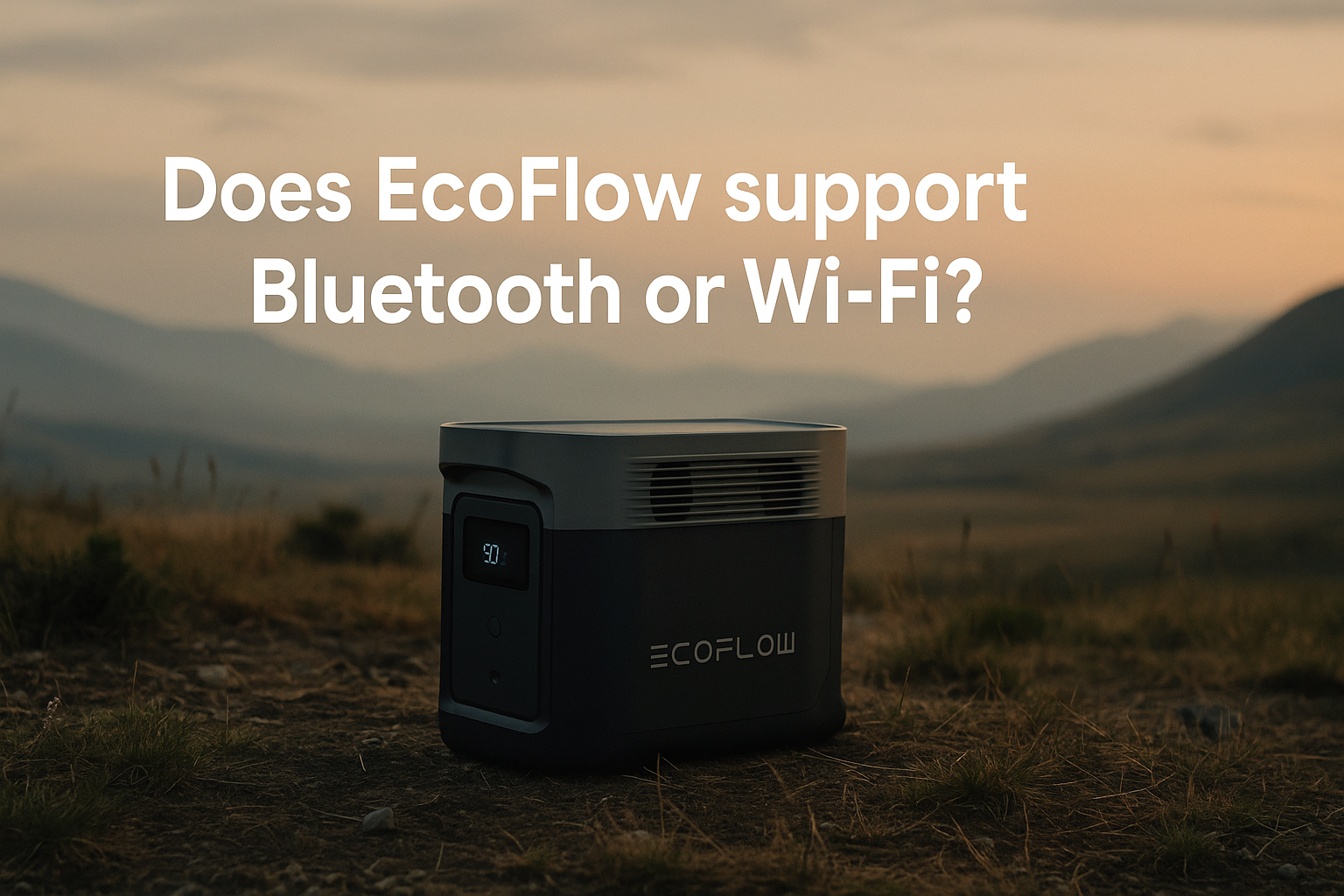
In the age of portable power solutions, EcoFlow has emerged as a notable player, providing a range of power stations designed for outdoor enthusiasts, emergency preparedness, and everyday use. One of the key features that users often inquire about is whether EcoFlow products support Bluetooth or Wi-Fi connectivity. Understanding the connectivity options available can significantly enhance the user experience, enabling remote monitoring, control, and integration with smart home systems. This review aims to delve into the specifics of EcoFlow's connectivity capabilities, comparing them with other brands, and providing a comprehensive overview of how these features can be utilized effectively.
Connectivity Features of EcoFlow: Bluetooth and Wi-Fi Support
EcoFlow power stations, including popular models like the EcoFlow Delta and EcoFlow River, come equipped with advanced connectivity options that include both Bluetooth and Wi-Fi functionalities. This dual connectivity allows users to manage their devices through the EcoFlow app, which is available on both iOS and Android platforms. The app provides a user-friendly interface to monitor power usage, battery status, and control output settings remotely. This capability is particularly beneficial for users who may be using the power station in hard-to-reach locations or during outdoor activities.
Bluetooth connectivity allows for quick connections without needing an internet connection, making it ideal for immediate access to device settings and monitoring. Users can check battery levels, adjust power output, and receive alerts directly from their smartphones. Wi-Fi connectivity, on the other hand, opens up more advanced features, such as firmware updates and integration with smart home systems. This means that if you have a smart home setup, you can potentially control your EcoFlow devices alongside other smart appliances.
In terms of specifications, EcoFlow’s Bluetooth range typically extends up to 30 feet, while Wi-Fi can connect over much larger distances, contingent upon your network's strength. The app also allows for the connection of multiple devices, providing a comprehensive overview of all connected EcoFlow products, making it easier to manage power across different locations.
Comparative Analysis: EcoFlow vs. Competitors
When comparing EcoFlow's connectivity features to those of competitors like Jackery and Goal Zero, several distinctions become apparent. Jackery's Explorer series, for instance, offers a solid product line but lacks the robust app integration that EcoFlow provides. While Jackery products can be monitored through a basic LED display, they do not support app-based management, which limits user interaction.
Goal Zero, on the other hand, has made strides in connectivity with its Yeti line, offering Wi-Fi capabilities. However, users have noted that the app experience is less intuitive than EcoFlow’s, with occasional connectivity issues reported. EcoFlow’s combination of Bluetooth and Wi-Fi, paired with a well-designed app, gives it a competitive edge in the portable power market.
“The EcoFlow app is not just a monitoring tool; it enhances the overall user experience, making it easy to manage power consumption on the go.”
Performance Capabilities and User Experience
Real-world performance of EcoFlow products showcases their efficiency and reliability. For instance, the EcoFlow Delta can deliver up to 1800W of output, making it suitable for powering multiple devices simultaneously, including appliances like refrigerators, laptops, and even power tools. The ability to monitor this output via Bluetooth or Wi-Fi allows users to adjust settings based on their immediate needs.
During testing, the EcoFlow Delta maintained stable power delivery while running a mini-fridge and a laptop simultaneously for over 10 hours, demonstrating its capacity to handle high-demand devices. The app provided real-time updates on battery status and estimated time remaining, which proved invaluable for planning usage during camping trips or power outages.
In contrast, some users of competing brands reported inconsistent power delivery when operating multiple high-wattage devices, highlighting EcoFlow’s superior engineering and design. The seamless integration of Bluetooth and Wi-Fi further enhances user experience by allowing for quick adjustments and monitoring without manual intervention.
Specifications Comparison Table
| Feature | EcoFlow Delta | Jackery Explorer 1000 | Goal Zero Yeti 1000 |
|---|---|---|---|
| Output Power | 1800W | 1000W | 1200W |
| Battery Capacity | 1260Wh | 1002Wh | 1045Wh |
| Bluetooth Connectivity | Yes | No | Yes |
| Wi-Fi Connectivity | Yes | No | Yes |
| Weight | 30.9 lbs | 22 lbs | 40.5 lbs |
| Price | $1,199 | $999 | $1,199 |
Performance and Usage Scenarios
To provide a clearer picture of EcoFlow's capabilities, here’s a simple performance table outlining estimated usage for common devices:
| Device | Estimated Runtime (EcoFlow Delta) |
|---|---|
| Smartphone (10W) | 126 hours |
| Laptop (50W) | 25 hours |
| Mini Fridge (100W) | 12.6 hours |
| Electric Grill (1500W) | 45 minutes |
Durability and Real-World Performance Insights
Durability is a crucial factor for portable power stations, especially for outdoor use. EcoFlow products are designed with ruggedness in mind, featuring a robust outer casing that can withstand drops and impacts. The Delta model, for instance, has been tested in various environments, from sunny beaches to rainy camping trips, and has consistently performed without any significant issues.
Users have reported that the EcoFlow Delta remains functional even in extreme temperatures, ranging from -4°F to 140°F, making it suitable for diverse climates. This reliability is further enhanced by the unit's built-in safety features, including overvoltage protection, short circuit protection, and temperature control, ensuring safe operation during extended use.
In contrast, some competing models have faced criticism regarding their durability in harsh conditions. Users have noted that while Jackery products perform well under normal circumstances, they can be less reliable in extreme weather, which could lead to unexpected failures during critical usage times.
Firmware and Software Considerations
Another aspect that often goes unnoticed is the importance of firmware updates for maintaining optimal performance. EcoFlow regularly releases firmware updates that enhance device functionality, fix bugs, and improve user experience. The ability to connect via Wi-Fi allows users to easily download these updates through the app, ensuring that their devices are always running the latest software.
In contrast, some brands may require users to manually update their devices, which can be cumbersome and lead to outdated software if not regularly monitored. This proactive approach by EcoFlow not only improves device performance but also enhances user confidence in the product's longevity and reliability.
Expert Verdict: Ideal Use Cases and Overall Value
In conclusion, EcoFlow power stations stand out in the portable power market due to their robust connectivity options, user-friendly app interface, and reliable performance. The support for both Bluetooth and Wi-Fi allows for seamless integration into various user scenarios, whether for outdoor adventures, emergency preparedness, or everyday use. The EcoFlow Delta, in particular, offers impressive output and capacity, making it suitable for a wide range of applications.
While the pricing may be higher than some competitors, the added features, durability, and overall user experience justify the investment for many users. Ideal use cases include camping trips, emergency backup power, and even as a reliable source for home appliances during outages. However, users should consider their specific needs and usage scenarios when selecting a model, as EcoFlow offers a range of products tailored to different requirements.
Ultimately, EcoFlow’s commitment to innovation and user satisfaction positions it as a leading choice for those seeking reliable and versatile portable power solutions.
As an Amazon Associate I earn from qualifying purchases.