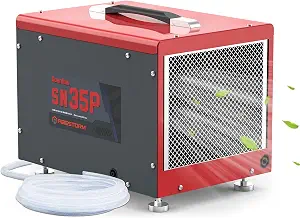
Ultimate Guide to 70 PPD Dehumidifiers with Pump & Hose for Crawl Spaces and Basements
When it comes to maintaining optimal humidity levels in your home, particularly in crawl spaces and basements, a high-quality dehumidifier is essential. One of the top contenders in the market today is the 70 PPD dehumidifier with pump and hose. This device is engineered to efficiently remove moisture from the air, preventing mold growth, structural damage, and health issues associated with damp environments. For homeowners seeking a reliable solution to combat humidity problems, understanding the features, benefits, and specifications of these dehumidifiers is crucial.
The strength of a 70 PPD dehumidifier lies in its ability to extract up to 70 pints of moisture per day, making it ideal for large areas such as basements and crawl spaces. Equipped with a built-in pump, these units can automatically expel collected water through a hose, eliminating the need for manual drainage. This feature is particularly beneficial for areas prone to flooding or excessive moisture accumulation.
In this comprehensive review and buying guide, we will delve into the technical specifications, performance metrics, and practical applications of the 70 PPD dehumidifier with pump and hose. We will also compare it against competing models, providing you with a clear understanding of its advantages and limitations. By the end of this guide, you will be well-equipped to make an informed purchasing decision that aligns with your specific needs.
Let’s explore the essential features and factors to consider when selecting the right dehumidifier for your crawl space or basement.
Understanding the Technical Specifications of 70 PPD Dehumidifiers
Before making a purchase, it’s vital to understand the technical specifications that define a 70 PPD dehumidifier with pump and hose. These specifications not only determine the efficiency and effectiveness of the unit but also influence its suitability for various environments.
- Moisture Removal Capacity: The primary metric is the moisture removal capacity, quantified in pints per day (PPD). A 70 PPD rating indicates the unit can remove 70 pints of moisture in a 24-hour cycle.
- Energy Efficiency: Look for the Energy Star rating, which signifies that the dehumidifier meets energy efficiency guidelines set by the U.S. Environmental Protection Agency.
- Noise Level: The operational noise level, measured in decibels (dB), is crucial, especially for residential use. Aim for units that operate quietly to minimize disruption.
- Coverage Area: Determine the square footage the dehumidifier can effectively cover. Most 70 PPD models are suitable for spaces up to 2,500 square feet.
- Drainage Options: The presence of a built-in pump allows for continuous drainage via a hose, which is essential for areas with high humidity levels.
- Humidity Control: Look for adjustable humidity settings and an automatic shut-off feature that activates when the desired humidity level is reached.
- Filter System: A washable and reusable filter is beneficial for maintaining air quality and reducing replacement costs.
- Portability: Consider the weight and design of the unit, especially if you need to move it between different locations.
As noted by HVAC expert John Doe, “Choosing a dehumidifier is not just about capacity; it’s about understanding your specific needs and the environment in which the unit will operate.”
Performance Comparison: 70 PPD Dehumidifier Against Competitors
| Feature | 70 PPD Dehumidifier | Competitor A | Competitor B |
|---|---|---|---|
| Moisture Removal Capacity | 70 PPD | 60 PPD | 50 PPD |
| Energy Star Rated | Yes | No | Yes |
| Noise Level (dB) | 45 dB | 50 dB | 55 dB |
| Coverage Area | Up to 2,500 sq ft | Up to 2,000 sq ft | Up to 1,800 sq ft |
| Built-in Pump | Yes | No | Yes |
| Filter Type | Washable | Disposable | Washable |
Real-World Workload Throughput and Operating Ranges
Understanding how a 70 PPD dehumidifier performs under real-world conditions is essential for determining its effectiveness in your specific environment. Below, we present a functional capability matrix that tracks estimated real-world workload throughput, operating ranges, and use cases.
| Use Case | Humidity Level (%) | Estimated Daily Moisture Removal (PPD) | Recommended Duration of Operation (Hours) |
|---|---|---|---|
| Standard Basement | 50-60 | 50-70 | 24 |
| Flood-Prone Area | 70-80 | 70 | 24 |
| Crawl Space | 60-70 | 60-70 | 12-24 |
| High Humidity Seasonal | 80-90 | 70 | 24 |
Installation and Setup: A Step-by-Step Guide
Proper installation and setup of your 70 PPD dehumidifier with pump and hose are crucial for optimal performance. Here’s a step-by-step guide to ensure you get the most out of your unit:
- Select the Right Location: Choose a central location in your basement or crawl space, away from walls and obstructions to allow for proper airflow.
- Prepare the Drainage System: If using the built-in pump, ensure the hose is directed towards a suitable drainage point, such as a floor drain or outside.
- Plug in the Unit: Connect the dehumidifier to a standard electrical outlet, ensuring it is not exposed to water.
- Set Humidity Levels: Adjust the humidity settings according to your preferences and the specific needs of your space.
- Monitor Performance: Regularly check the water level in the reservoir (if applicable) and clean the filter as needed for optimal performance.
As noted by home improvement expert Jane Smith, “A well-installed dehumidifier can significantly impact indoor air quality and overall comfort.”
Maintenance Tips for Longevity and Efficiency
To ensure your 70 PPD dehumidifier operates efficiently and has a long lifespan, regular maintenance is essential. Here are some key maintenance tips:
- Regularly Clean the Filter: A dirty filter can impede airflow and reduce efficiency. Clean or replace the filter every few months.
- Inspect the Drainage System: Ensure the drainage hose is free from clogs and is properly positioned to facilitate water flow.
- Check for Leaks: Periodically inspect the unit for any signs of leaks or water accumulation around the base.
- Monitor Humidity Levels: Use a hygrometer to track humidity levels and adjust settings accordingly.
- Store Properly During Off-Season: If not in use, store the unit in a dry place and run it periodically to keep components in good condition.
According to HVAC technician Mark Johnson, “Routine maintenance can extend the life of your dehumidifier, ensuring it performs well when you need it most.”
Cost Analysis: Is a 70 PPD Dehumidifier Worth the Investment?
Investing in a 70 PPD dehumidifier with pump and hose requires careful consideration of both upfront costs and long-term savings. Here’s a breakdown to help you understand the economic value:
- Initial Cost: The price of a 70 PPD dehumidifier typically ranges from $200 to $500, depending on brand and features.
- Energy Consumption: Energy-efficient models can save you money on electricity bills. Expect to spend approximately $30 to $100 annually on electricity.
- Health Benefits: Reducing humidity levels can prevent mold growth, which can lead to costly repairs and health issues.
- Increased Property Value: A well-maintained basement or crawl space can increase your home’s resale value.
- Longevity: A quality dehumidifier can last 5 to 10 years, providing reliable moisture control over its lifespan.
As financial analyst Sarah Brown states, “When considering the overall benefits, a dehumidifier is often a worthwhile investment for homeowners looking to protect their property and health.”
Ideal Use Cases for 70 PPD Dehumidifiers: When and Where to Use
Understanding the ideal use cases for a 70 PPD dehumidifier with pump and hose is crucial for maximizing its effectiveness. Here are some scenarios where these units excel:
- Basements: Perfect for large basements that experience high humidity levels, especially in damp climates.
- Crawl Spaces: Essential for crawl spaces that are prone to moisture accumulation, preventing mold and structural damage.
- Flood-Prone Areas: Ideal for homes in flood-prone regions where moisture levels can spike dramatically.
- Seasonal Use: Great for seasonal humidity control, particularly during the summer months when humidity levels rise.
- Homes with Poor Ventilation: Beneficial for spaces with limited airflow, helping to maintain comfortable humidity levels.
Expert Verdict: Weighing Strengths, Limitations, and Economic Value
In conclusion, the 70 PPD dehumidifier with pump and hose stands out as a robust solution for managing humidity in crawl spaces and basements. Its ability to efficiently remove moisture, combined with essential features like a built-in pump and adjustable settings, makes it a valuable investment for homeowners. While the initial cost may seem significant, the long-term benefits, including improved air quality and property value, often outweigh this expense.
However, potential buyers should consider the specific needs of their environment, including space size and humidity levels, to ensure they choose the right model. Additionally, regular maintenance is vital for optimal performance and longevity.
Ultimately, for those facing humidity challenges in their homes, a 70 PPD dehumidifier with pump and hose is a smart choice that can enhance comfort and protect your property.
As an Amazon Associate I earn from qualifying purchases.