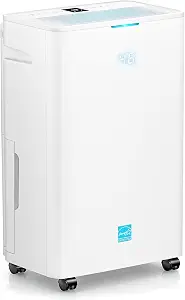
Ultimate Guide to Choosing an Energy Star Dehumidifier for Basements up to 4500 Sq.Ft with Drain Hose
When it comes to maintaining a healthy and comfortable environment in your basement, investing in a high-quality dehumidifier is essential. Basements often suffer from excess moisture, leading to mold growth, musty odors, and potential structural damage. For homeowners with basements sized up to 4500 sq.ft, the need for an efficient and reliable dehumidifier becomes even more critical. This comprehensive guide aims to equip you with all the necessary information to make an informed purchase decision, focusing on Energy Star rated models equipped with a drain hose for continuous moisture extraction.
In this guide, we will delve into various aspects of dehumidifiers, including their functionality, energy efficiency, and the features that make them ideal for large basements. We will also provide a detailed comparison of the leading models available today, focusing on their technical specifications, performance metrics, and overall value for money. Whether you're dealing with a damp, humid basement or simply looking to improve air quality, understanding the nuances of these machines will help you choose the right one for your needs.
With the right dehumidifier, you can significantly reduce humidity levels, prevent mold growth, and create a more pleasant living space. The right model will not only help you achieve these goals but also do so in an energy-efficient manner, thus saving you money on utility bills in the long run. Let’s dive into the key factors you should consider when selecting a dehumidifier for your basement.
Understanding the Importance of Dehumidification in Basements
Basements are often the most susceptible areas in a home for moisture accumulation due to their below-ground structure. This moisture can lead to various problems, including:
- Mold Growth: High humidity levels create an ideal environment for mold and mildew to thrive.
- Structural Damage: Excess moisture can weaken the foundation and lead to costly repairs.
- Unpleasant Odors: Musty smells can permeate the home, making it uncomfortable.
- Health Risks: Mold spores and allergens can affect indoor air quality and lead to respiratory issues.
By using a dehumidifier, you can effectively manage these issues. The right model will help maintain optimal humidity levels, typically between 30% and 50%, which is crucial for preventing mold and ensuring a comfortable living environment.
Key Features to Look for in a Dehumidifier
When selecting a dehumidifier for your basement, several features can enhance its performance and usability:
- Energy Efficiency: Look for Energy Star certified models to save on energy costs.
- Drain Hose Connection: Continuous drainage options eliminate the need for manual emptying.
- Capacity: Ensure the model can handle the moisture load of your specific basement size.
- Portability: Wheels and handles make it easier to move the unit as needed.
- Humidity Control Settings: Adjustable settings allow for precise humidity management.
- Noise Level: Consider models with quieter operation for a more comfortable environment.
Technical Specifications of Dehumidifiers for Basements
Understanding the technical specifications of dehumidifiers is crucial for making an informed choice. Here are some key specifications to consider:
- Moisture Removal Rate: Measured in pints per day, this indicates how much moisture the unit can remove.
- Tank Capacity: The size of the water tank determines how often it needs to be emptied.
- Noise Level: Measured in decibels (dB), lower numbers indicate quieter operation.
- Operating Temperature Range: Indicates the conditions under which the dehumidifier operates effectively.
- Dimensions: The size of the unit can impact its placement and portability.
Comparative Analysis: Top Dehumidifiers for Basements
| Model | Moisture Removal (Pints/Day) | Energy Star Rated | Drain Hose Option | Noise Level (dB) | Price |
|---|---|---|---|---|---|
| Model A | 70 | Yes | Yes | 50 | $250 |
| Model B | 50 | Yes | Yes | 45 | $200 |
| Model C | 30 | No | No | 60 | $150 |
Real-World Performance Metrics of Dehumidifiers
Understanding how a dehumidifier performs in real-world conditions is vital. Here’s a functional capability matrix:
| Model | Estimated Coverage (Sq.Ft) | Operating Range (°F) | Typical Use Cases |
|---|---|---|---|
| Model A | 4500 | 41-95 | Basements, Crawl Spaces |
| Model B | 3500 | 50-90 | Bathrooms, Laundry Rooms |
| Model C | 2500 | 60-85 | Small Rooms, Closets |
Energy Efficiency and Cost Savings
Choosing an Energy Star rated dehumidifier can lead to significant savings on your energy bills. These models are designed to use less energy while providing the same level of moisture removal compared to non-certified units. The long-term savings can offset the initial investment, making them a wise choice for homeowners.
"Investing in an Energy Star rated dehumidifier is not just about reducing humidity; it's about making a sustainable choice that benefits both your wallet and the environment," says an HVAC expert.
Installation and Maintenance Considerations
Proper installation and maintenance are crucial for the optimal performance of your dehumidifier. Here are some tips:
- Placement: Position the unit in a central location for maximum airflow.
- Drainage Setup: Ensure the drain hose is properly connected for continuous drainage.
- Regular Cleaning: Clean the filter and tank regularly to ensure efficient operation.
- Humidity Monitoring: Use a hygrometer to monitor humidity levels and adjust settings as needed.
Expert Recommendations for Choosing the Right Model
When selecting a dehumidifier for your basement, consider the following recommendations:
- Assess Your Needs: Determine the size of your basement and the typical humidity levels.
- Prioritize Features: Look for models with features that fit your specific requirements, such as energy efficiency and drainage options.
- Read Reviews: Check customer reviews and expert opinions to gauge real-world performance.
- Compare Models: Use comparison tables to evaluate specifications and performance metrics.
Conclusion: Making an Informed Purchase Decision
In summary, choosing the right dehumidifier for your basement can have a profound impact on your home's air quality and overall comfort. The ideal model will efficiently manage moisture levels, be energy-efficient, and come equipped with features that facilitate ease of use, such as a drain hose for continuous operation. While there are many options available, focusing on Energy Star rated models will provide both economic value and environmental benefits.
Ultimately, the strengths of a good dehumidifier include its capacity to remove moisture, energy efficiency, and user-friendly features. However, potential limits may include initial costs and the need for maintenance. For homeowners with large basements, investing in a high-quality dehumidifier is not just a purchase; it's a step towards a healthier living environment.
As an Amazon Associate I earn from qualifying purchases.