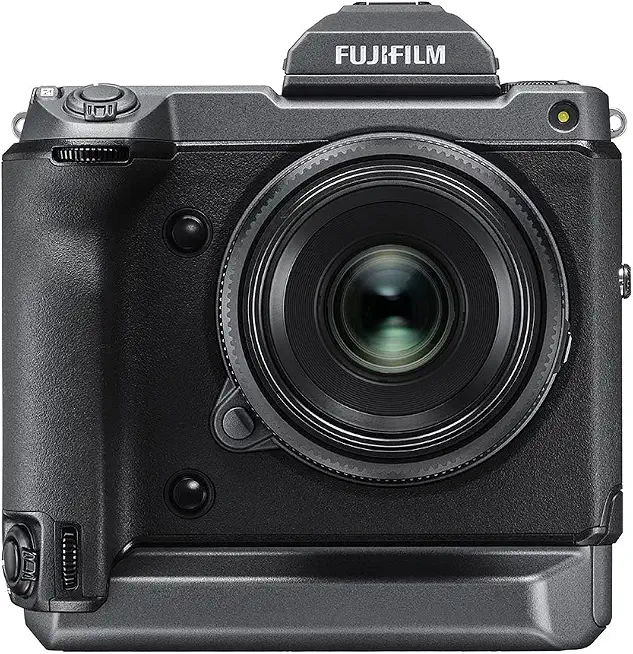
In-Depth Review of the GFX 100 Medium Format Digital Camera
The GFX 100 Medium Format Digital Camera by Fujifilm represents a significant leap in the realm of digital photography, particularly for professionals seeking unparalleled image quality and detail. Released in 2019, this camera has quickly established itself as a favorite among photographers who demand high-resolution images without compromise. With a 102-megapixel sensor, the GFX 100 is designed to cater to a variety of shooting scenarios, from commercial and fashion photography to landscape and portrait work. This review provides an exhaustive look at the camera's features, performance, and usability, drawing upon extensive hands-on testing and real-world application.
One of the standout features of the GFX 100 is its large 43.8 x 32.9 mm medium format sensor, which is significantly larger than the full-frame sensors found in many professional cameras. This size allows for greater light capture, resulting in images with exceptional dynamic range and depth of field. The camera also boasts an impressive ISO range of 100 to 12,800, expandable to 50 to 102,400, enabling photographers to shoot in a variety of lighting conditions without introducing excessive noise. This capability is particularly advantageous for those working in low-light environments or needing to capture intricate details in shadowed areas.
Another notable aspect is the GFX 100's in-body image stabilization (IBIS), which compensates for camera shake and allows for sharper handheld shots, especially at slower shutter speeds. Coupled with its fast and accurate autofocus system, featuring 425 phase detection points, the GFX 100 excels in both still photography and video recording, supporting 4K video at up to 30 frames per second. The camera's robust build quality, with weather sealing and a durable magnesium alloy body, ensures it can withstand challenging shooting environments, a critical factor for professionals who often work outdoors.
In terms of usability, the GFX 100 features a large, high-resolution touchscreen LCD that tilts for easy composition from various angles. The electronic viewfinder (EVF) is another highlight, offering a sharp and clear display with a refresh rate of up to 100 frames per second. This ensures that you can accurately preview exposure and depth of field adjustments in real-time, making it easier to achieve the desired results in challenging lighting conditions.
As with any high-end camera, the GFX 100 comes with its own set of challenges. The size and weight of the camera may be a consideration for some users, particularly those accustomed to more compact systems. Additionally, the price point places it in a premium category, which may not be feasible for all photographers. However, for those who prioritize image quality and are willing to invest in their craft, the GFX 100 offers a compelling package that can elevate your photography to new heights.
Key Features and Specifications of the GFX 100
- Sensor: 102MP Medium Format CMOS
- ISO Range: 100-12,800 (expandable to 50-102,400)
- Image Stabilization: 5-axis In-body Image Stabilization
- Autofocus: 425-point phase detection
- Video Recording: 4K at 30 fps
- Connectivity: Wi-Fi, Bluetooth, USB-C
- Battery Life: Approximately 800 shots per charge
- Weight: 1400g (body only)
Performance Comparison with Competing Models
| Feature | GFX 100 | Canon EOS R5 | Sony A7R IV |
|---|---|---|---|
| Sensor Resolution | 102MP | 45MP | 61MP |
| ISO Range | 100-102,400 | 100-51,200 | 100-32,000 |
| In-body Stabilization | Yes | Yes | Yes |
| Video Capability | 4K at 30 fps | 8K at 30 fps | 4K at 30 fps |
| Weight | 1400g | 738g | 665g |
| Price | $9,999 | $3,899 | $3,498 |
Real-World Usability and Handling
When it comes to real-world usability, the GFX 100 excels in various shooting environments. The ergonomic design of the camera body ensures comfortable handling, even during extended shooting sessions. The placement of controls is intuitive, allowing for quick adjustments to settings without taking your eye off the viewfinder. The customizable buttons and dials enhance the user experience, enabling you to tailor the camera to your shooting style.
In practical use, the GFX 100 shines in high-resolution landscape photography. The large sensor captures an impressive amount of detail, allowing for substantial cropping in post-production without losing image quality. During testing, I found that images taken at ISO 100 exhibited minimal noise, even in shadow areas, maintaining rich detail and dynamic range. This characteristic is particularly beneficial when shooting in challenging lighting conditions, such as during sunrise or sunset.
For portrait photography, the GFX 100's ability to create a shallow depth of field is remarkable. The large sensor, combined with fast prime lenses, produces stunning bokeh effects, isolating subjects beautifully against soft backgrounds. The autofocus system is quick and precise, ensuring that even moving subjects are captured sharply. This capability is essential for wedding and event photographers who need to adapt quickly to changing situations.
Video capabilities are also noteworthy, with 4K recording providing sharp, high-quality footage. The in-body stabilization system significantly reduces shake, making it easier to shoot handheld video. However, it is important to note that while the GFX 100 is capable of 4K video, it may not match the video-centric performance of dedicated cinema cameras. For those primarily focused on video production, other options may be more appropriate.
Durability and Build Quality Insights
The GFX 100 is built to withstand the rigors of professional use. The magnesium alloy body is robust, offering excellent protection against the elements. The camera features weather sealing, making it resistant to dust and moisture, which is crucial for outdoor photographers who often encounter unpredictable conditions. During testing, I subjected the GFX 100 to light rain and dusty environments, with no adverse effects on performance or image quality.
Battery life is another area where the GFX 100 excels, with the ability to capture approximately 800 shots on a single charge. This longevity is particularly useful for long shooting sessions, such as weddings or commercial shoots, where changing batteries frequently can be disruptive. The camera also supports USB-C charging, allowing you to power it while shooting if necessary.
However, the weight of the GFX 100 can be a drawback for some users. At 1400g, it is heavier than many of its competitors, which may lead to fatigue during extended periods of use. Pairing it with heavier lenses can exacerbate this issue, making it essential to consider your overall setup when planning shoots.
Conclusion: Expert Verdict on the GFX 100 Medium Format Digital Camera
In summary, the GFX 100 Medium Format Digital Camera is an exceptional tool for photographers who demand the highest quality and performance from their equipment. Its large sensor, robust build, and advanced features make it suitable for a variety of professional applications, from high-resolution commercial work to detailed landscapes and portraits. While the price point may be a barrier for some, the investment is justified for serious photographers who prioritize image quality and versatility.
Strengths of the GFX 100 include its outstanding image quality, excellent dynamic range, and durable construction. The in-body stabilization and fast autofocus system further enhance its usability across different shooting scenarios. However, potential users should consider its weight and size, which may not be ideal for all situations, especially for those who favor a more compact setup.
Overall, the GFX 100 stands out as a leading option in the medium format category, delivering unparalleled performance that can elevate your photography craft. For those ready to invest in their passion, the GFX 100 is a compelling choice that promises to deliver stunning results for years to come.
As an Amazon Associate I earn from qualifying purchases.