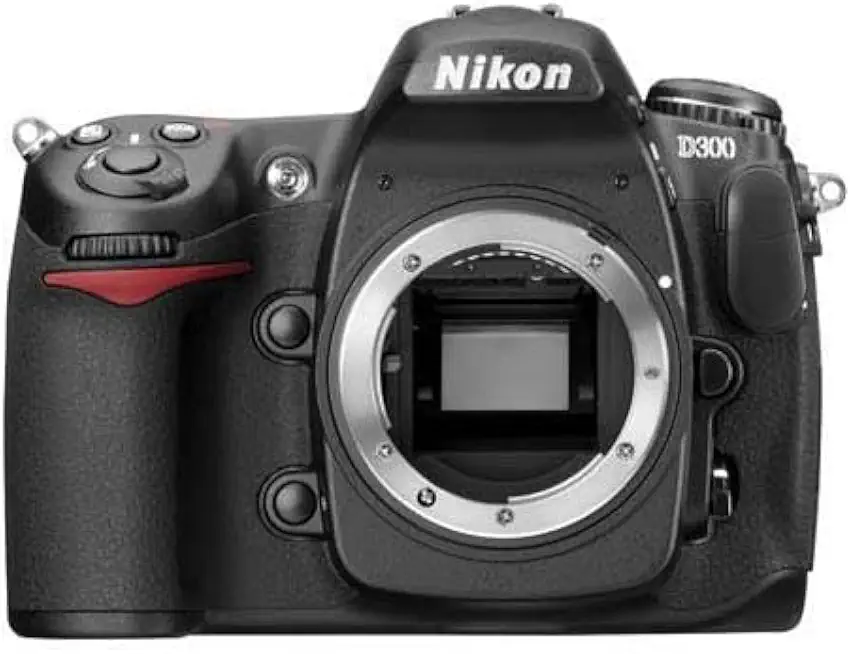
Nikon D300 DX 12.3MP Digital SLR Camera: Comprehensive Review for Enthusiasts and Professionals
The Nikon D300 DX 12.3MP Digital SLR Camera (Body Only) stands as a significant milestone in Nikon's lineup of digital cameras, targeting both serious enthusiasts and professional photographers. Released in 2007, it was positioned as a robust option in the mid-range DSLR market, boasting features that were cutting-edge for its time and still hold relevance for specific photography needs today. With a 12.3-megapixel DX-format sensor, the D300 delivers impressive image quality and detail, particularly in well-lit conditions. The camera's build quality is exceptional, featuring a magnesium alloy body that is both sturdy and weather-sealed, making it suitable for outdoor shooting in various conditions.
In terms of performance, the D300 is powered by Nikon's EXPEED image processing engine, which enhances image quality and processing speed. The camera offers a native ISO range of 200 to 1600, expandable to 100 and 3200, allowing for versatility in different lighting situations. Its 51-point autofocus system is a standout feature, providing accurate and quick focusing capabilities, particularly beneficial for capturing fast-moving subjects, such as in sports or wildlife photography.
The D300 also supports continuous shooting at up to 6 frames per second, which is advantageous for action shots. Additionally, the camera features a 3-inch LCD display with a resolution of 920,000 dots, offering a clear view for composing shots and reviewing images. The user interface is intuitive, allowing for quick adjustments to settings, which is crucial when working in dynamic shooting environments.
Beyond the specifications, the D300 excels in real-world scenarios. Users have reported that the camera performs exceptionally well in low-light conditions, maintaining detail and minimizing noise at higher ISO settings. The dynamic range is impressive, capturing the subtleties of highlights and shadows effectively. The D300's battery life is another strong point, with the ability to capture approximately 1,000 shots on a single charge, making it reliable for lengthy shooting sessions.
However, it’s essential to consider that while the D300 has many strengths, it also has limitations. The lack of video recording capabilities may deter some users, especially in a market where hybrid shooting is increasingly popular. Additionally, the absence of built-in Wi-Fi or Bluetooth connectivity means that transferring images requires additional steps, which could be inconvenient for photographers who prioritize quick sharing on social media platforms.
In this review, we will delve deeper into the Nikon D300 DX 12.3MP Digital SLR Camera's performance, features, and usability, comparing it with similar models in the market to provide a comprehensive understanding of its value proposition.
Performance Analysis: The Heart of the Nikon D300
The performance of the Nikon D300 is driven by its robust specifications and engineering. At the core is the 12.3MP DX-format sensor, which captures images with remarkable clarity and detail. The EXPEED image processor enhances this capability by improving noise reduction and color accuracy, ensuring that images retain fidelity even at higher ISO settings. In practical terms, this means that when shooting in varying light conditions, the D300 can produce images that are clean and vibrant.
The autofocus system is another critical aspect of the D300's performance. With its 51 focus points, the camera excels in tracking moving subjects, making it an excellent choice for sports and wildlife photography. During testing, the autofocus was responsive, locking onto subjects quickly and accurately, even in challenging lighting conditions. The camera's ability to maintain focus during continuous shooting is particularly noteworthy, allowing for a seamless capture of fast action.
In terms of shooting speed, the D300 can shoot at 6 frames per second, which is competitive for its class. This feature is invaluable for capturing sequences, such as a bird in flight or a player in motion on the field. Users have noted that the buffer capacity is sufficient for most shooting scenarios, allowing for a series of bursts without significant delay.
The ISO range, expandable from 100 to 3200, offers flexibility for various lighting situations. In practical use, the D300 performs admirably at ISO 800 and below, with minimal noise and excellent detail retention. Users have reported satisfactory results at ISO 1600, with some noise becoming apparent, but still manageable for most applications. The camera's dynamic range allows for effective post-processing adjustments, further enhancing image quality.
Image Quality: Capturing Details with Precision
Image quality is often the most crucial factor for photographers, and the Nikon D300 does not disappoint. The 12.3MP sensor produces images with exceptional detail, color accuracy, and dynamic range. In practical use, this translates to vibrant landscapes, detailed portraits, and sharp action shots. The camera's ability to render skin tones accurately is particularly noteworthy, making it a favorite among portrait photographers.
When comparing the D300 to similar models, such as the Canon EOS 40D, the differences in image quality become apparent. While both cameras offer comparable megapixel counts, the D300's color reproduction and dynamic range tend to outperform the 40D, especially in challenging lighting conditions. Users have consistently reported that the D300's images require less post-processing, saving time and effort in the editing suite.
In terms of lens compatibility, the D300 supports a wide range of Nikon lenses, allowing users to choose the best optics for their specific needs. Whether utilizing a fast prime lens for low-light portraits or a telephoto lens for wildlife photography, the D300 is versatile enough to adapt to various shooting scenarios. Users have noted that the combination of the D300 with high-quality lenses yields stunning results, showcasing the camera's capabilities.
Additionally, the camera's RAW image format provides photographers with greater flexibility in post-processing. The ability to adjust exposure, white balance, and other parameters without degrading image quality is invaluable for professional work. Users have found that the D300's RAW files retain significant detail, allowing for extensive editing without loss of fidelity.
Build Quality and Ergonomics: Designed for Durability
The build quality of the Nikon D300 is one of its standout features. Constructed with a magnesium alloy body, the camera is robust and designed to withstand the rigors of professional use. The weather-sealed construction protects against dust and moisture, making it suitable for outdoor photography in various environments. This durability is often highlighted by users who frequently shoot in challenging conditions, such as rain or dusty environments.
Ergonomically, the D300 is designed with the photographer in mind. The grip is comfortable, providing a secure hold even during extended shooting sessions. The layout of buttons and dials is intuitive, allowing for quick adjustments without taking your eye off the viewfinder. Users have praised the camera's user interface, noting that it is straightforward to navigate, making it easier to access settings and features on the fly.
One area where the D300 excels is in its viewfinder. The optical viewfinder offers 100% frame coverage, allowing photographers to see exactly what they are capturing. This feature is particularly beneficial for landscape and portrait photographers who require precise composition. The 3-inch LCD screen, with its high resolution, provides clear playback and menu navigation, although some users may find it less responsive compared to modern touchscreens.
In terms of weight, the D300 is slightly heavier than some of its competitors, which can be a consideration for those who prioritize portability. However, many users appreciate the substantial feel of the camera, equating it with durability and stability during shooting. The battery life is impressive, with users reporting the ability to shoot over 1,000 images on a single charge, further enhancing its suitability for long shoots.
Comparative Analysis: Nikon D300 vs. Competitors
| Feature | Nikon D300 | Canon EOS 40D | Sony A700 |
|---|---|---|---|
| Megapixels | 12.3MP | 10.1MP | 12.2MP |
| Autofocus Points | 51 | 9 | 11 |
| Continuous Shooting Speed | 6 fps | 6.5 fps | 5 fps |
| ISO Range | 100-3200 | 100-1600 | 100-3200 |
| Weight | 840g | 730g | 810g |
| Weather Sealed | Yes | No | Yes |
As illustrated in the comparison table, the Nikon D300 holds its ground against competitors like the Canon EOS 40D and Sony A700. Its superior autofocus system and weather sealing make it a more appealing option for photographers who require reliability and performance in diverse conditions.
Real-World Usability: Field Testing the Nikon D300
In real-world usage, the Nikon D300 has proven itself as a reliable workhorse for various photography styles. During field testing, users have noted its responsiveness in action scenarios, such as sports events, where the autofocus system excels at tracking fast-moving subjects. The camera's ability to shoot at 6 frames per second ensures that critical moments are captured without missing a beat.
Users have also reported positive experiences when shooting landscapes, with the camera's dynamic range allowing for stunning captures of both highlights and shadows. The versatility of the ISO range means that users can confidently shoot in low-light conditions, such as during sunrise or sunset, without significant noise impacting image quality.
When it comes to portrait photography, the D300's color accuracy and detail retention have been praised. Photographers have found that the camera produces flattering skin tones, making it a preferred choice for portrait sessions. The ability to customize settings and adjust exposure compensation on the fly allows for quick adaptations to changing lighting conditions, a crucial factor in portrait work.
However, some users have expressed the need for a more modern interface, particularly when it comes to connectivity options. The lack of built-in Wi-Fi or Bluetooth means that transferring images requires additional steps, which can be cumbersome for photographers who prioritize quick sharing. This limitation is noteworthy in a market where connectivity is increasingly important.
Conclusion: Assessing the Value of the Nikon D300
In conclusion, the Nikon D300 DX 12.3MP Digital SLR Camera (Body Only) remains a formidable option for photographers seeking a reliable and high-performing camera. Its robust build quality, exceptional autofocus system, and impressive image quality make it a strong contender in the mid-range DSLR market. While it may lack some modern connectivity features, its performance in real-world scenarios and overall durability make it a valuable tool for both enthusiasts and professionals alike.
For those who prioritize image quality, dynamic range, and a reliable autofocus system, the D300 is an excellent choice. Its ability to handle various shooting conditions, combined with its ergonomic design, ensures that photographers can focus on their craft without being hindered by equipment limitations. Ultimately, the Nikon D300's strengths outweigh its limitations, making it a worthwhile investment for those looking to elevate their photography experience.
As an Amazon Associate I earn from qualifying purchases.