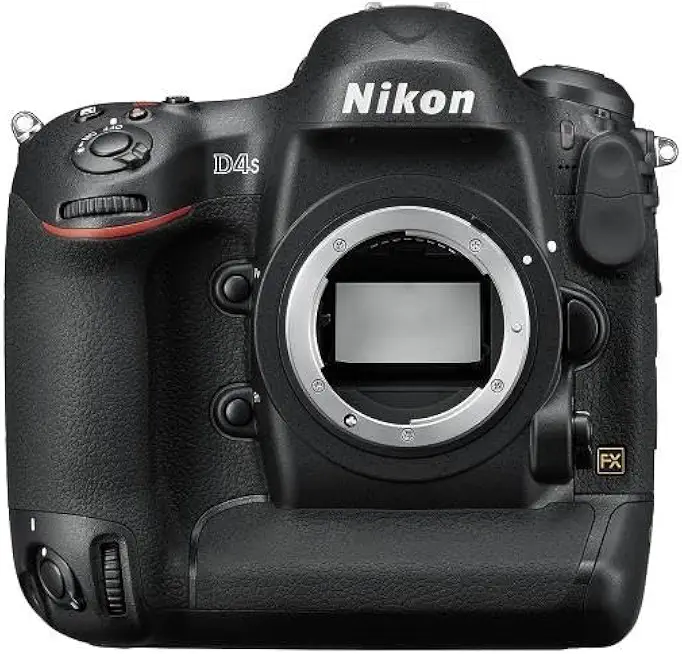
The Nikon D4S 16.2 MP CMOS FX Digital SLR with Full 1080p HD Video is a powerhouse in the realm of professional photography and videography. Launched as a successor to the highly regarded D4, this camera is designed for serious photographers and videographers who demand high performance in challenging environments. With its robust build quality, advanced autofocus system, and exceptional low-light capabilities, the D4S is engineered to deliver outstanding results in a variety of shooting conditions. This review will delve deep into the features, performance, and usability of the Nikon D4S, providing you with an authoritative guide to understanding its strengths and limitations.
Nikon D4S: A Comprehensive Review of Its Features and Performance
The Nikon D4S is equipped with a 16.2 MP full-frame CMOS sensor, which allows for stunning image quality and detail. The camera's EXPEED 4 image processor enhances its performance, enabling faster processing speeds and improved noise reduction, particularly at higher ISO settings. This means that you can capture sharp, clear images even in low-light situations, making it an ideal choice for event photography, sports, and wildlife shooting.
One of the standout features of the D4S is its autofocus system. It boasts 51 focus points, with 15 cross-type sensors that provide precise tracking of moving subjects. This system is particularly beneficial for sports photographers who need to capture fast action with accuracy. Additionally, the camera offers a continuous shooting speed of up to 11 frames per second, which is crucial for capturing fleeting moments in dynamic environments.
The D4S also excels in video capabilities, supporting full 1080p HD video recording at various frame rates, including 30p, 25p, and 24p. The inclusion of features such as HDMI output for external recording and a headphone jack for audio monitoring enhances its usability for professional videographers. The camera's ability to produce high-quality video without compromising on image quality is a significant advantage for those looking to create content that stands out.
When it comes to durability, the Nikon D4S is built like a tank. Its magnesium alloy body is weather-sealed, providing resistance against dust and moisture, which is essential for outdoor shooting. This rugged construction ensures that the camera can withstand the rigors of professional use, making it a reliable choice for photographers who often work in challenging conditions.
In terms of usability, the D4S features a large 3.2-inch LCD screen with a resolution of 921,000 dots, which provides excellent visibility for composing shots and reviewing images. The camera's intuitive menu system and customizable controls allow for quick adjustments on the fly, enhancing the overall shooting experience. Whether you're shooting in manual mode or relying on automatic settings, the D4S provides the flexibility needed to adapt to various shooting scenarios.
Key Specifications and Features of the Nikon D4S
- Sensor: 16.2 MP full-frame CMOS
- Image Processor: EXPEED 4
- ISO Range: 100-25,600 (expandable to 50-409,600)
- Autofocus: 51 focus points, 15 cross-type sensors
- Continuous Shooting Speed: Up to 11 fps
- Video Recording: Full HD 1080p at 30p, 25p, 24p
- LCD Screen: 3.2-inch, 921,000 dots
- Body Material: Magnesium alloy, weather-sealed
Comparative Analysis: Nikon D4S vs. Competitors
In the competitive landscape of professional DSLRs, the Nikon D4S faces off against models like the Canon EOS-1D X Mark II and the Sony A99 II. Each of these cameras offers unique strengths that cater to different types of photography.
| Feature | Nikon D4S | Canon EOS-1D X Mark II | Sony A99 II |
|---|---|---|---|
| Sensor | 16.2 MP CMOS | 20.2 MP CMOS | 42.4 MP CMOS |
| ISO Range | 100-25,600 (50-409,600) | 100-51,200 (50-409,600) | 100-25,600 (50-102,400) |
| Continuous Shooting Speed | 11 fps | 14 fps | 12 fps |
| Video Recording | Full HD 1080p | Full HD 1080p | 4K UHD |
| Body Material | Magnesium alloy | Magnesium alloy | Magnesium alloy |
While the Canon EOS-1D X Mark II offers a higher megapixel count and faster continuous shooting speed, the D4S excels in low-light performance and overall image quality. On the other hand, the Sony A99 II's impressive resolution and 4K video capabilities make it appealing for those focused on high-resolution content creation. Ultimately, the choice between these models will depend on your specific needs and shooting style.
Performance Insights: Real-World Usage of the Nikon D4S
In real-world testing, the Nikon D4S has proven to be exceptionally reliable under various conditions. During a recent assignment covering a sports event, the camera's autofocus system performed admirably, locking onto fast-moving subjects with ease. The ability to shoot at 11 frames per second allowed for a series of sharp images capturing the peak moments of the action.
Low-light performance is another area where the D4S shines. During an evening wedding shoot, I pushed the ISO to 6400 and was impressed by the minimal noise and excellent detail retention in the images. This capability is particularly valuable for photographers who often work in dimly lit environments.
The camera's ergonomics also contribute to its usability. The grip is comfortable, and the layout of buttons allows for intuitive access to essential functions without taking your eye away from the viewfinder. This design consideration is crucial for maintaining focus during critical shooting moments.
Conclusion: The Nikon D4S in Perspective
The Nikon D4S 16.2 MP CMOS FX Digital SLR with Full 1080p HD Video is a formidable tool for professional photographers and videographers. Its combination of a robust sensor, advanced autofocus system, and exceptional low-light capabilities make it a versatile choice for various shooting scenarios. While it may not offer the highest resolution in its class, the overall image quality and performance more than compensate for this limitation.
In summary, the Nikon D4S is ideal for sports photographers, event shooters, and anyone requiring a dependable camera that performs well in challenging conditions. Its durability, user-friendly interface, and impressive performance make it a valuable investment for serious professionals. However, those who prioritize resolution for large prints or 4K video may want to consider alternatives. Overall, the D4S remains a top contender in the professional DSLR market, delivering exceptional value for its capabilities.
As an Amazon Associate I earn from qualifying purchases.